Currently Empty: $0.00
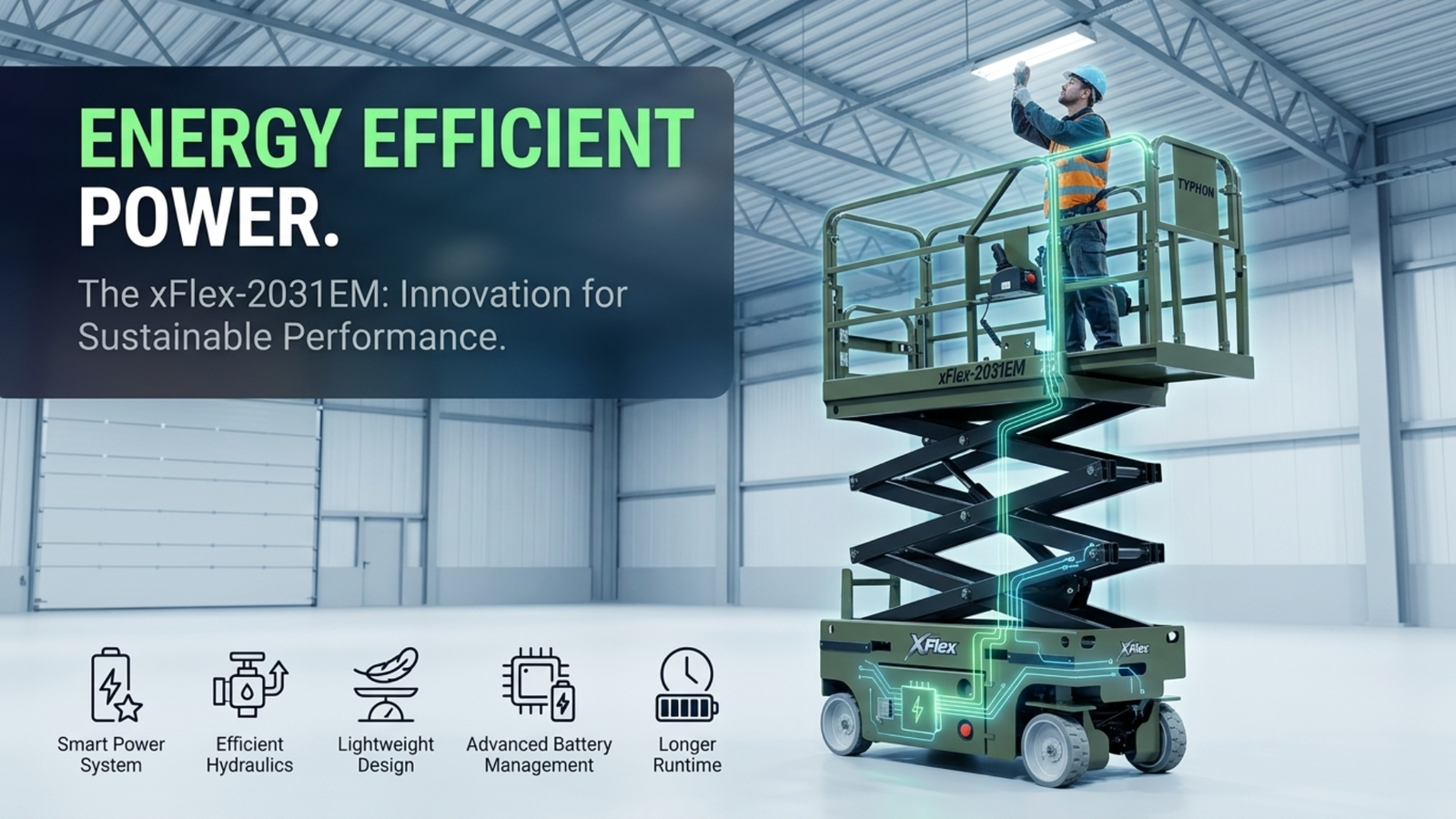
Energy Efficient Scissor Lifts Use Advanced Power Systems
Energy efficiency has become one of the most important qualities buyers look for in a scissor lift, and modern machines deliver it in ways that were unheard of a decade ago. Smarter power systems, refined hydraulics, lighter construction, and intelligent battery technology all work together to help these lifts do more work while using less energy. The payoff is real: longer operating time, lower running costs, and a machine that fits comfortably into today’s demands for cleaner, more economical equipment. This guide breaks down exactly what makes modern scissor lifts so efficient, covering their power systems, hydraulics, lightweight designs, battery management, and the productivity gains that all of these advances deliver.
Energy-Efficient Power Systems in Modern Scissor Lifts
The power system sits at the heart of a scissor lift’s efficiency, and modern machines have transformed how that power is generated and used. Advanced electric drive systems now replace or complement older, less efficient designs, delivering power directly to the wheels and lift mechanism with far less waste. Because electric drives convert stored energy into motion so effectively, they lose less power to heat and friction than traditional systems, which means more of the machine’s stored energy goes toward doing actual work. That efficiency translates into a lift that accomplishes more on a single charge.
Efficient motors and optimized power management build on that foundation. Today’s motors are engineered to draw only the power they need for a given task, running smoothly under load without wasting energy during lighter work or idle periods. Smart power management systems oversee the whole operation, directing energy where it is needed and pulling back when it is not.
Several technologies work together to keep energy consumption low:
- Advanced electric drives that convert stored energy into motion with minimal loss.
- High-efficiency motors that match power output to the task at hand.
- Optimized power management that directs energy precisely and reduces waste.
Together, these systems deliver two clear benefits that matter on any job site. First, they extend operating time, letting the machine work longer between charges or refueling and keeping crews productive through demanding shifts. Second, they lower overall operating costs, since a lift that uses less energy costs less to run day after day. For businesses weighing the long-term expense of their equipment, an efficient power system pays dividends across the machine’s entire working life, making it a smart, forward-looking investment.
Smart Hydraulic Systems Reduce Power Waste
Hydraulics do much of the heavy lifting in a scissor lift, and improved hydraulic designs have become a major source of energy savings. The key advance is simple in principle yet powerful in practice: modern systems supply hydraulic power only when it is actually needed. Older designs often kept pumps running continuously or maintained pressure even when the platform was stationary, wasting energy the whole time. Smart hydraulic systems, by contrast, deliver flow and pressure on demand, so the machine draws power to raise or adjust the platform and eases off when it holds position.
This on-demand approach improves efficiency in several connected ways. By eliminating the constant energy drain of an always-on system, the lift uses less power overall and stretches its runtime further. Reduced power waste also means less heat buildup, since much of the energy lost in inefficient hydraulics turns into heat. A cooler-running system puts less strain on components, holds up better over time, and avoids the performance dips that come with an overheated machine.
The practical results of smarter hydraulics show up clearly during operation:
- Power on demand that supplies energy only when the platform moves.
- Higher lifting efficiency with less energy lost between the pump and the platform.
- Reduced heat buildup that protects components and sustains performance.
- Smoother operation as the system responds precisely to operator inputs.
The combined effect is a machine that performs better while consuming less. When hydraulic power is used efficiently rather than wasted, the lift raises and lowers loads reliably, runs cooler through long shifts, and stretches its energy further. For operators, that means dependable, responsive performance; for owners, it means lower energy use and a machine that stays in good working order. Smart hydraulics prove that thoughtful engineering can improve efficiency and performance at the same time.
Lightweight Designs Improve Efficiency
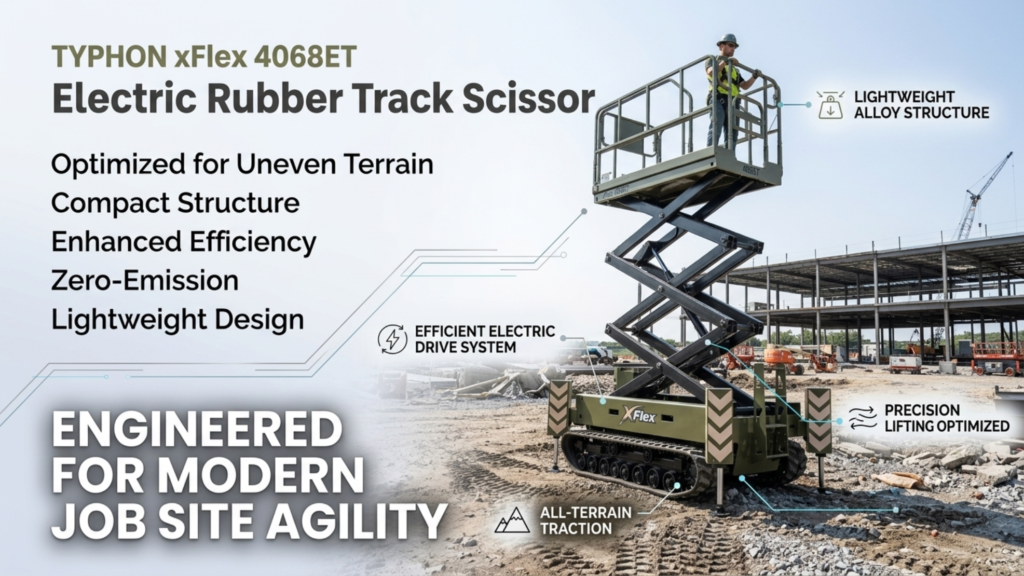
The physics of lifting are straightforward: the more a machine weighs, the more energy it takes to move and operate. Modern scissor lift manufacturers have embraced this reality by turning to stronger, lighter materials that cut machine weight without giving up the durability the work demands. Advanced high-strength steels, aluminum components, and engineered materials allow designers to build frames, platforms, and structural parts that are lighter than their predecessors yet every bit as tough. The result is a machine that carries less of its own weight around while still standing up to demanding, everyday use.
That reduction in weight pays off directly in energy efficiency. A lighter scissor lift requires less energy to drive across a site and less energy to raise and lower its platform, since the machine is not spending power hauling unnecessary mass. On an electric model, that saved energy extends battery life and stretches the time between charges. On a fuel-powered unit, it improves fuel efficiency, so the machine works longer on the same tank.
Importantly, lighter does not mean weaker. Manufacturers engineer these designs carefully so the machine retains the strength and stability needed for safe, reliable lifting. The materials are chosen precisely because they deliver a better strength-to-weight ratio, giving the lift the rigidity and load capacity it needs while shedding excess weight. Operators still get a stable, dependable platform, and the structure holds up to the rigors of the job just as well as heavier designs once did.
Taken together, lightweight construction represents one of the most effective efficiency improvements in modern scissor lifts. By reducing the energy needed for every movement and every lift, a lighter machine works longer, costs less to run, and delivers the same trusted performance. It is a clear example of how smarter materials quietly improve the economics of owning and operating this equipment.
Intelligent Battery Management and Charging
For electric scissor lifts, the battery is the lifeblood of the machine, and intelligent battery management systems have dramatically improved how that energy is stored, used, and preserved. A modern battery management system, often called a BMS, acts as the brain overseeing the battery pack. It monitors each cell, balances the charge across the pack, and controls how energy flows in and out. This careful oversight ensures the battery works at its best, delivering steady power to the machine while protecting itself from the stresses that shorten battery life.
Optimized charging is one of the system’s most valuable functions. Rather than charging in a crude, one-size-fits-all manner, the BMS manages charging cycles intelligently, adjusting the process to suit the battery’s condition and avoiding the overcharging and deep discharging that degrade cells over time. By monitoring battery health continuously, the system also alerts operators to potential issues before they become problems, keeping the machine dependable and ready to work.
These capabilities deliver a set of clear, practical benefits:
- Maximized runtime by drawing power efficiently and balancing the cells.
- Longer battery lifespan through smart charging and protection from harmful cycles.
- Reduced maintenance costs as the system prevents avoidable battery damage.
- Health monitoring that flags issues early and keeps the machine reliable.
The value of intelligent battery management adds up over the life of the machine. A battery that is charged properly and monitored constantly lasts longer before it needs replacing, which is significant given that batteries are among the most expensive components to replace. At the same time, optimized energy use means the lift runs longer between charges, keeping crews productive. For owners, this combination of extended runtime, longer battery life, and lower maintenance makes electric scissor lifts more economical and dependable, turning a smart charging system into a genuine long-term advantage.
Lower Energy Consumption Means Greater Productivity
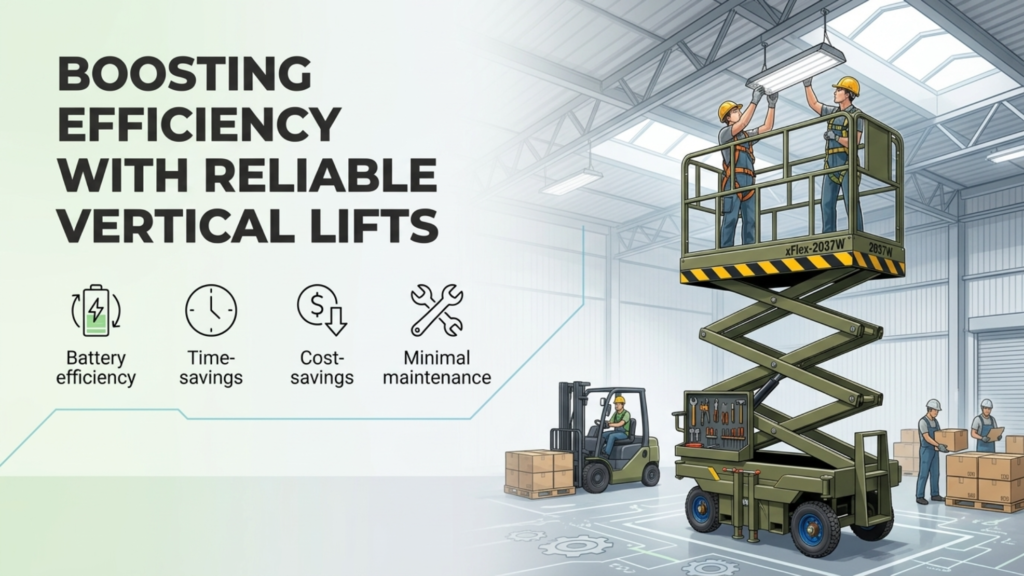
All of the efficiency improvements in modern scissor lifts converge on a single, practical outcome: greater productivity at a lower cost. When a machine uses less energy, it operates longer between charges or refueling, and that extended runtime keeps work moving. Crews spend more time on the platform completing tasks and less time waiting for a battery to recharge or a tank to refill. On a busy job site where every hour counts, that additional uptime can make a meaningful difference to how quickly a project reaches completion.
Lower energy consumption also translates directly into reduced operating expenses. A lift that draws less power costs less to run every single day, and those savings accumulate steadily across weeks, months, and years of use. Combined with the reduced maintenance that efficient power systems, smart hydraulics, and intelligent battery management provide, the total cost of owning and operating the machine drops considerably. Fewer repairs, longer-lasting components, and lower energy bills all work in the same direction, protecting the bottom line.
The productivity advantages of an energy-efficient scissor lift come from several reinforcing factors:
- Longer operating time between charges or refueling to keep crews working.
- Lower running costs as the machine uses less energy day after day.
- Less downtime thanks to efficient systems and reliable performance.
- Reduced maintenance that keeps the lift available and dependable.
Taken as a whole, these benefits make energy-efficient scissor lifts a genuinely cost-effective choice for a wide range of job sites. The machine works harder for longer, costs less to keep running, and spends more of its time doing productive work rather than sitting idle. For businesses that depend on reliable access equipment to meet deadlines and control expenses, the efficiency built into modern scissor lifts delivers a clear, lasting return on the investment.
Conclusion
Modern scissor lifts have become far more energy efficient through a combination of thoughtful engineering advances that all pull in the same direction. Energy-efficient power systems with advanced electric drives and smart power management reduce waste and extend operating time, while improved hydraulics supply power only when needed to cut energy loss and heat buildup. Lightweight designs use stronger, lighter materials to reduce the energy required for every movement without sacrificing durability, and intelligent battery management systems maximize runtime, extend battery life, and lower maintenance costs. Together, these innovations mean lower energy consumption, less downtime, and reduced operating expenses, making today’s scissor lifts a productive and cost-effective choice for demanding job sites. As efficiency technology continues to improve, these machines will keep delivering more work, more reliably, for less money over their entire working lives.